

Basil: the royal herb with Ancient Greek roots
The word basil originates from the Greek basilikon, meaning "royal" or "kingly". This etymology reflects the special status the plant has enjoyed throughout the Mediterranean for centuries. Revered for both culinary and symbolic reasons, basil remains one of the most distinctive ingredients available to perfumers today.
Unlike many aromatic herbs, basil possesses remarkable complexity. Its scent immediately conveys freshness, yet beneath its bright opening lie subtle spicy, green and slightly anisic facets. This multidimensional profile allows it to play several roles within a fragrance composition simultaneously.
As a result, basil frequently appears in sophisticated aromatic perfume creations. It contributes energy and vibrancy while introducing a natural elegance that feels unmistakably Mediterranean. Unlike more overtly floral ingredients, basil evokes landscapes rather than bouquets.
The ingredient also occupies an important position within the family of green perfume compositions. Its leafy freshness recalls gardens, herbs warmed by the sun and the characteristic vegetation of Southern Europe. When combined with citrus fruits, it becomes even more luminous and refreshing.
Beyond its olfactory qualities, basil carries rich cultural associations. In various Mediterranean traditions, it symbolised protection, prosperity and renewal. Its presence in homes and gardens reflected both practical and spiritual significance.
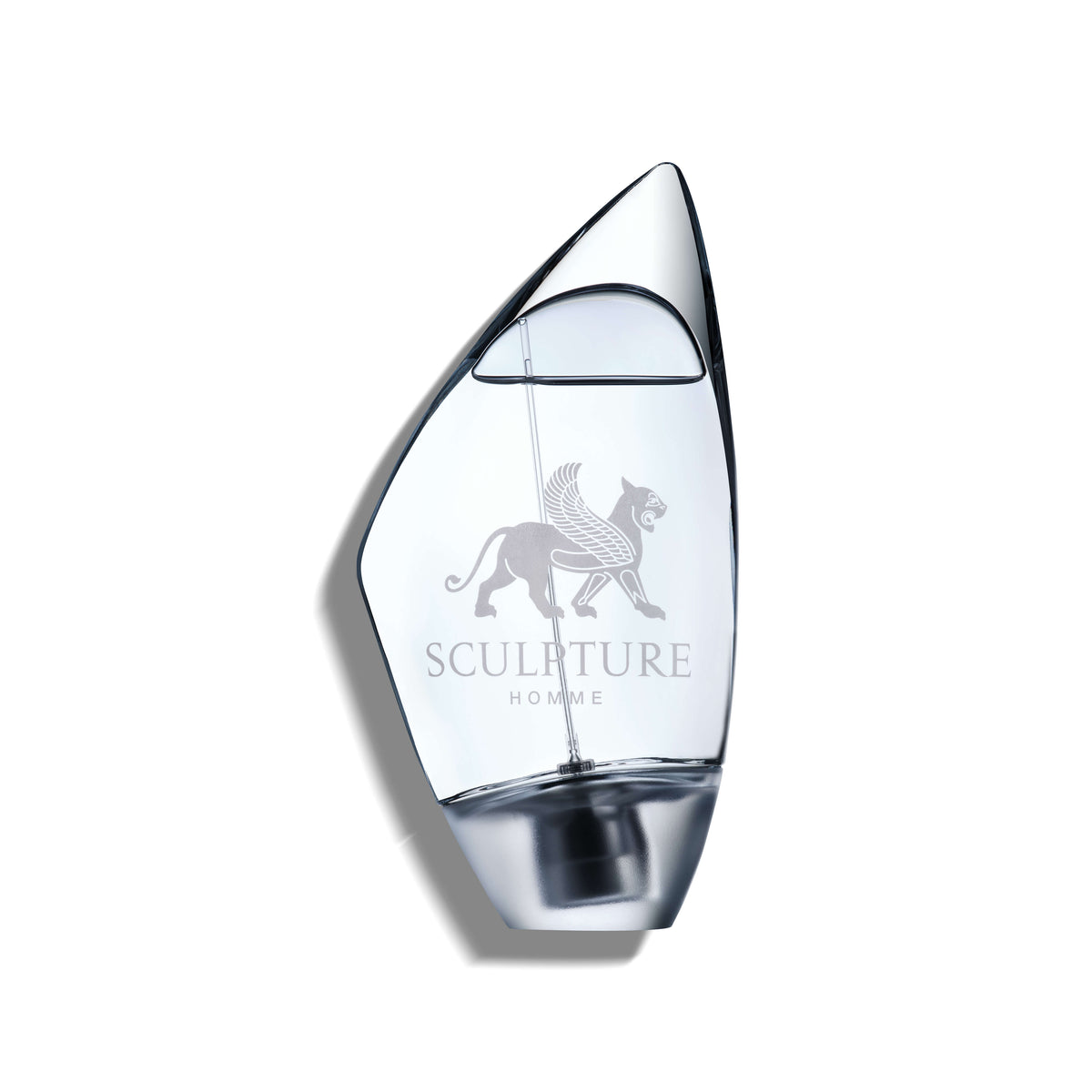
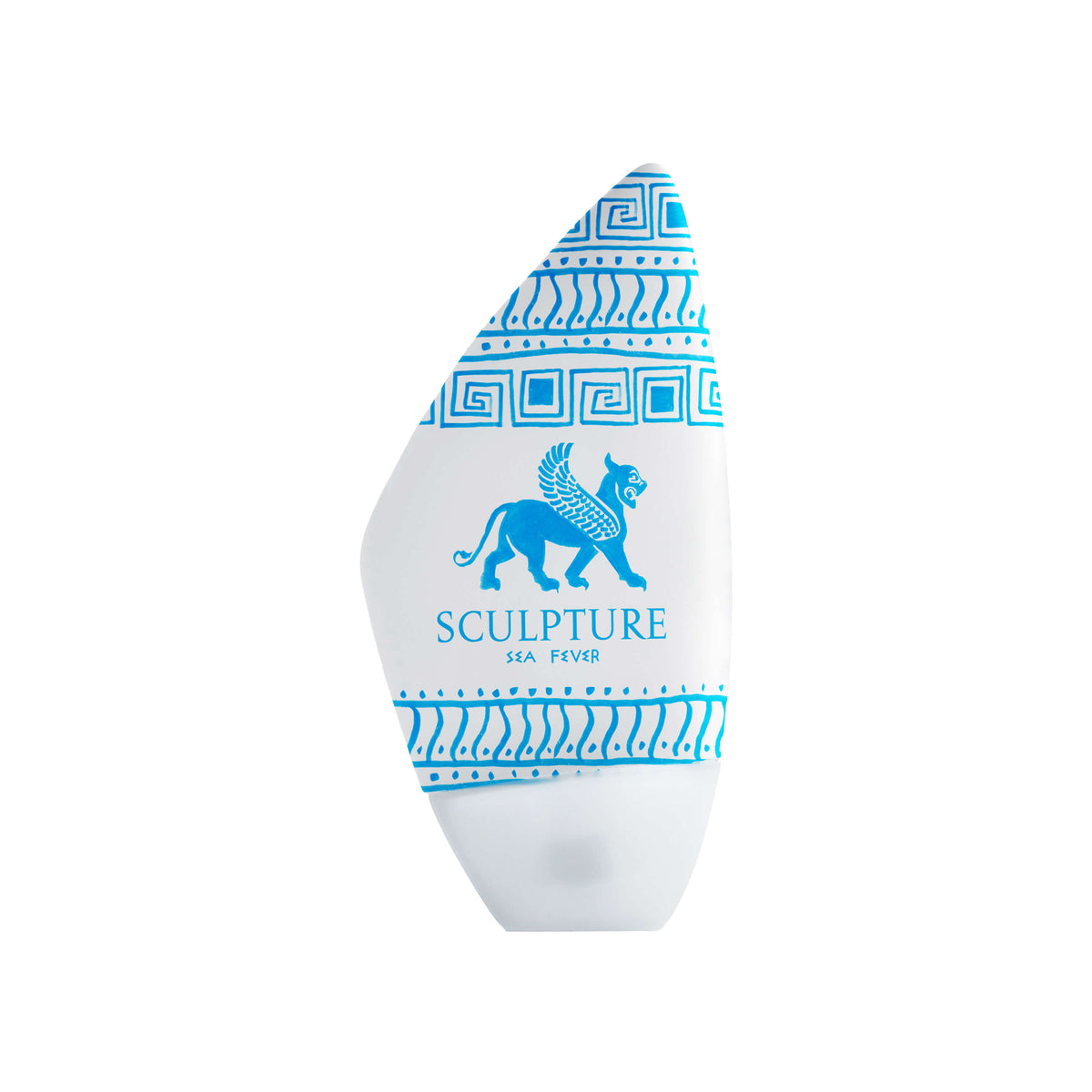
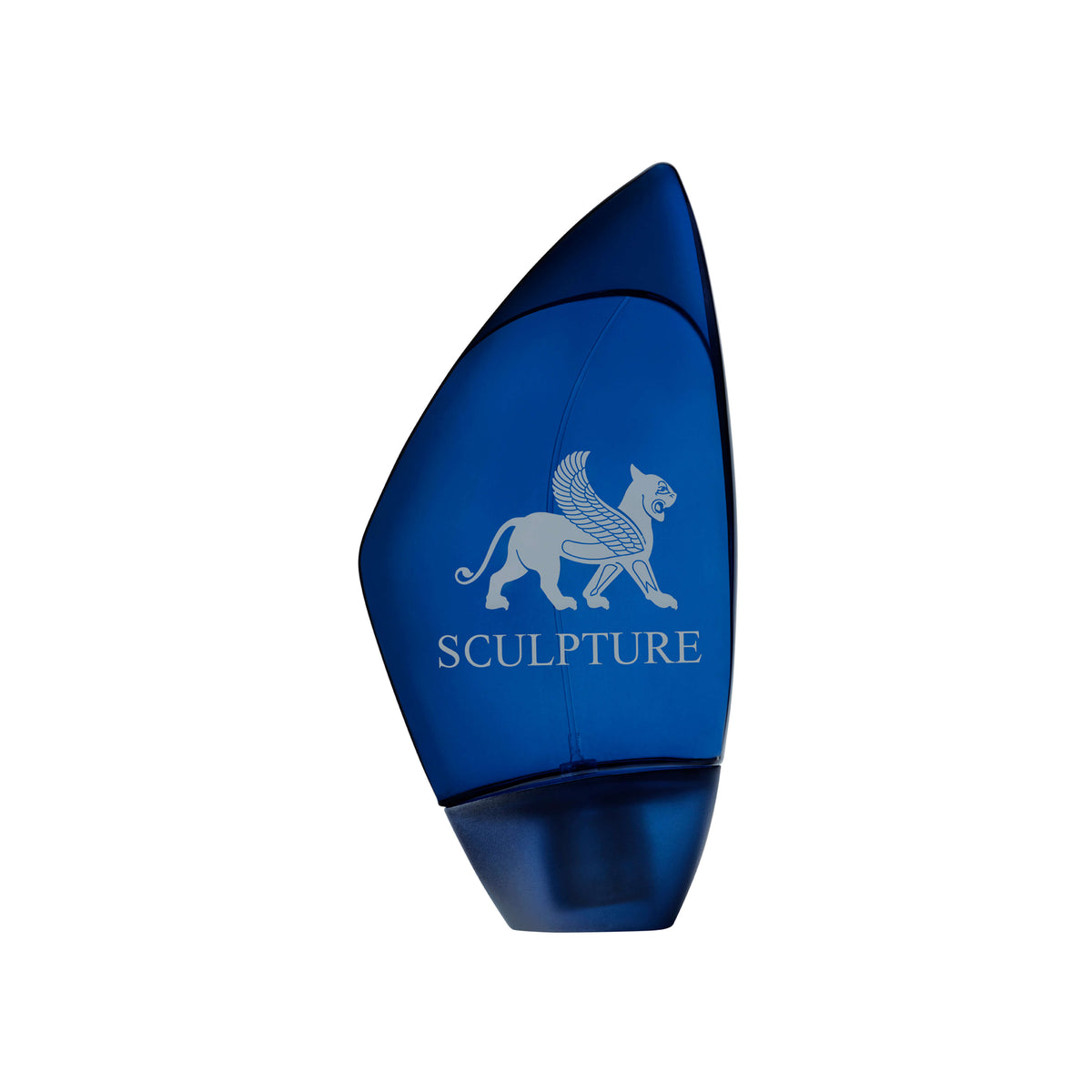
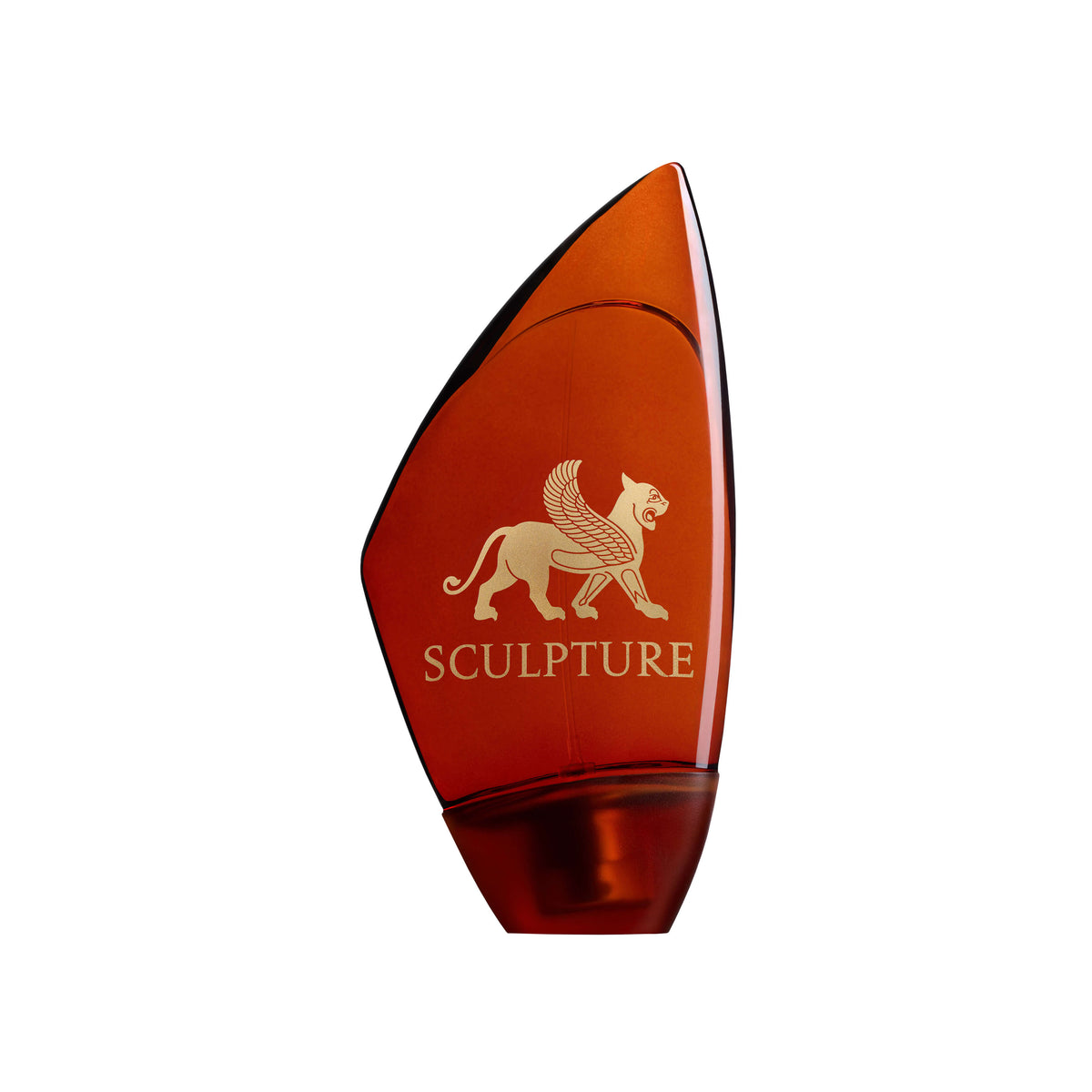
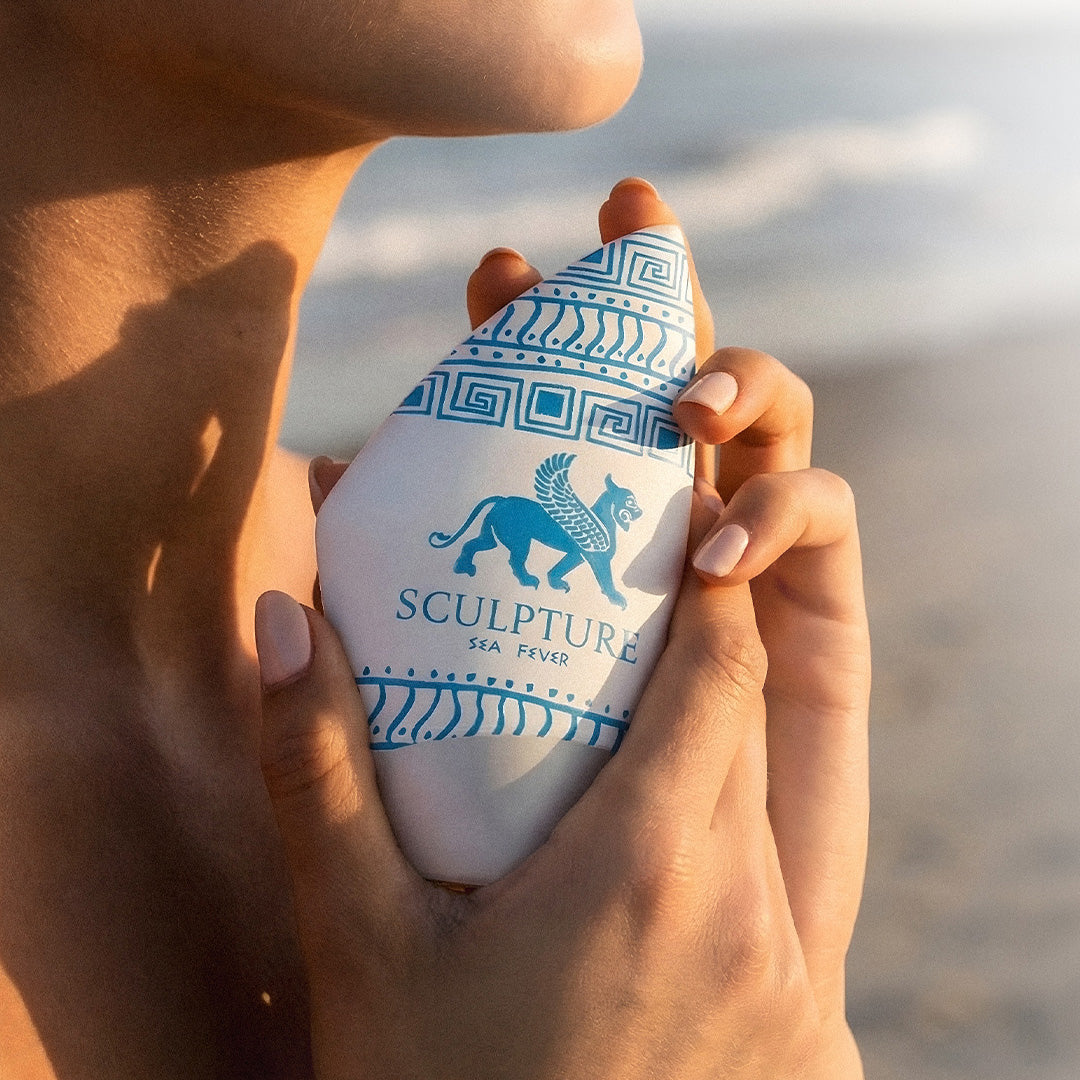
Several Sculpture Perfumes fragrances explore these aromatic dimensions. Mykonos combines basil with bergamot, lavender and marine notes to create a fresh interpretation of the Cyclades. Sea Fever also incorporates basil, where it interacts with grapefruit, laurel leaves and aquatic accords to evoke the Mediterranean shoreline.
Few ingredients capture the spirit of Greece so naturally. Through its aromatic freshness and green vitality, basil continues to bridge nature, culture and perfumery.