


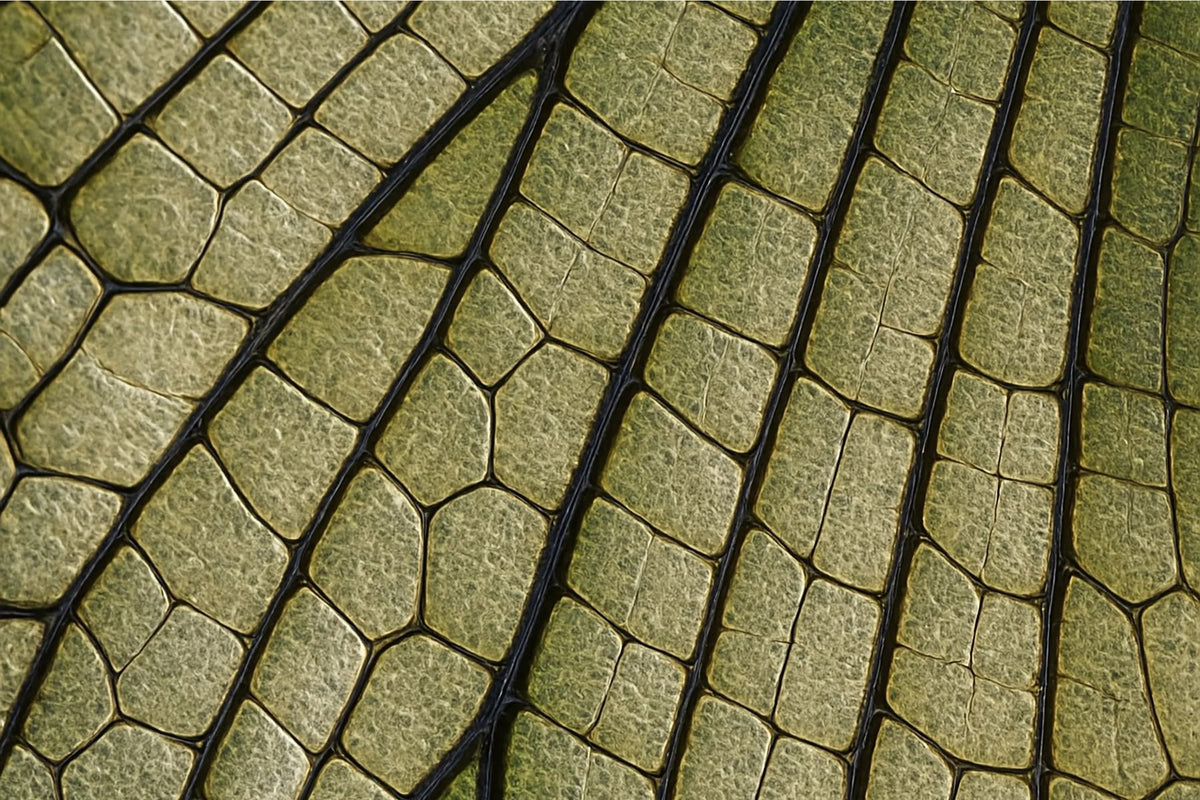
Fig: the soothing, green scent of Greek summers
Few trees embody the Mediterranean landscape as completely as the fig tree. Found throughout Greece for thousands of years, it has long provided food, shade and inspiration. Yet beyond its fruit lies one of perfumery's most fascinating olfactory signatures.
Unlike what many people expect, the scent of fig in fragrance rarely resembles the sweetness of dried figs. Instead, perfumers draw inspiration from the entire tree. The leaves reveal crisp green facets, the branches contribute woody nuances, while the milky sap introduces a creamy texture unlike any other natural material.
This combination explains why fig occupies a unique position between a green note and a fruity note. It simultaneously evokes freshness and comfort, brightness and softness. Its scent recalls warm afternoons spent beneath a fig tree, where sunlight filters through the leaves and time appears to slow down.
The emotional appeal of fig is closely linked to memory. For many, it evokes summer holidays, Mediterranean gardens and moments of quiet contemplation. Unlike overtly sweet fruits, fig remains elegant and understated. It suggests a landscape rather than a dessert.
Perfumers often pair fig with citrus notes, woods or aromatic herbs to reinforce its natural complexity. Depending on the composition, it can become luminous, creamy, marine or even slightly earthy.
Although fig is not directly featured within the current Sculpture Perfumes collection, its olfactory universe resonates strongly with the house's Mediterranean inspirations. Like the Greek islands themselves, the fig tree embodies a balance between nature, light and timeless simplicity.
More than a fruit, fig represents an atmosphere. It captures the soothing beauty of Greek summers and transforms it into scent.