

Sandalwood notes and sacred rituals
Few ingredients possess the quiet elegance and universal appeal of sandalwood. For centuries, this precious wood has been used in spiritual ceremonies, meditation practices and sacred rituals across Asia and the Middle East. Its warm, creamy and velvety scent has made it one of the most revered materials in the history of fragrance.
Unlike many woody ingredients that express strength through dryness or intensity, sandalwood is defined by softness. Its scent unfolds gradually, revealing smooth milky facets, subtle spices and a distinctive warmth that seems to radiate from within. This unique character explains why it occupies a central place in many woody perfumes.
The appeal of sandalwood extends beyond its scent. Throughout history, it has been associated with contemplation, balance and serenity. Temples were often infused with sandalwood smoke, creating an atmosphere conducive to reflection and spiritual connection. Even today, its aroma immediately evokes calmness and depth.
In contemporary perfumery, sandalwood serves as both a foundation and a bridge. It softens florals, enriches spices and enhances ambery accords while providing exceptional longevity. As a result, it frequently appears in sophisticated ambery perfumes, where its creamy texture amplifies warmth and sensuality.
The ingredient also plays an important role within modern luxury perfumes, valued for its refinement and versatility. Whether featured prominently or used as a supporting note, sandalwood contributes elegance without ever dominating the composition.
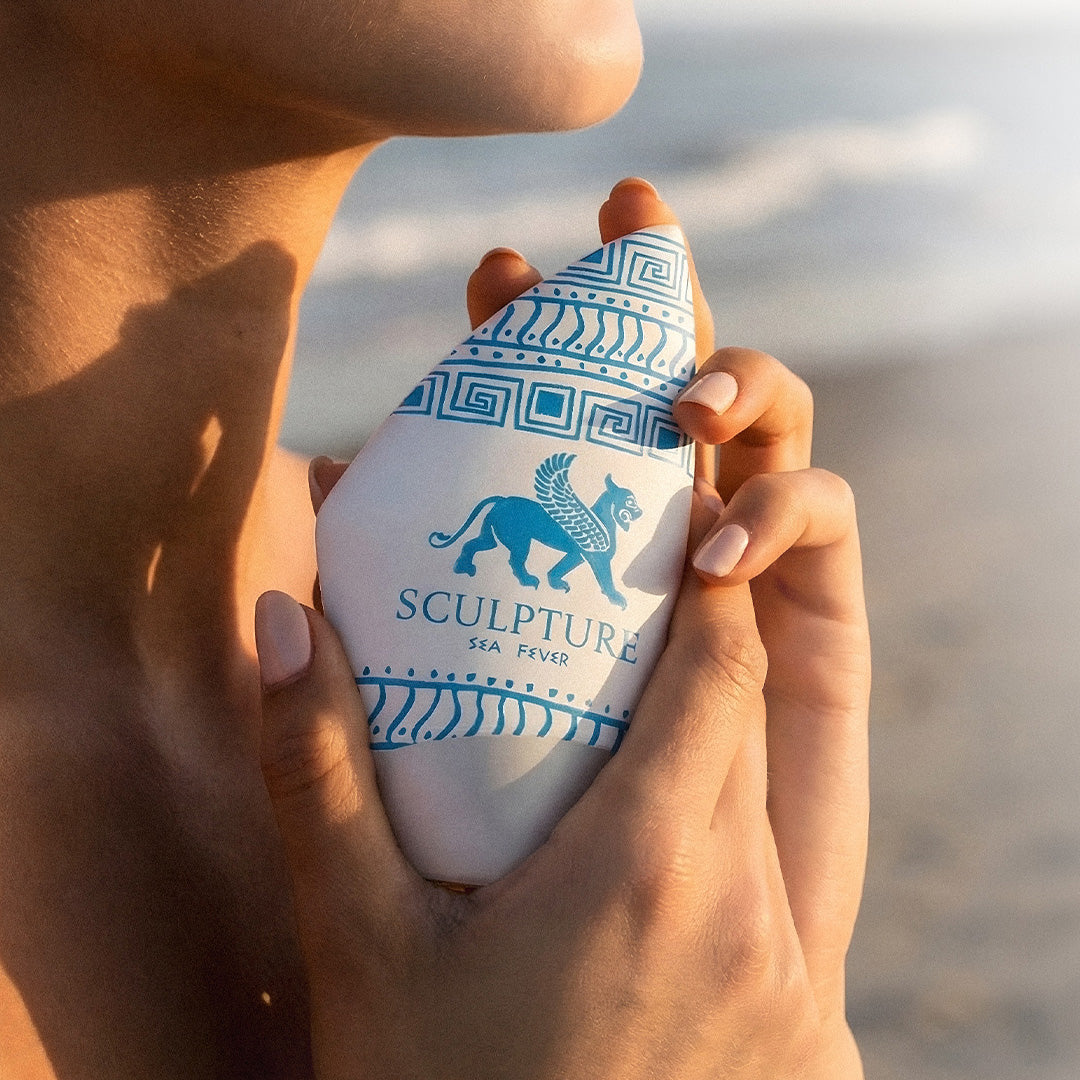
Within Sculpture Perfumes, sandalwood appears notably in Aegean Caviar, where it enhances the contrast between marine freshness and ambery depth. Its presence creates a smooth transition between the luminous aquatic opening and the rich, lingering base.
Like the sacred rituals that first celebrated it, sandalwood continues to remind us that true beauty often resides in quiet sophistication rather than overt intensity.