


The “Metron” as the golden mean behind greek beauty.
Among the countless ideas inherited from Ancient Greece, few have had a greater influence on art, architecture and aesthetics than the concept of metron. Often translated as "measure" or "right proportion", the term reflects a philosophy that guided nearly every aspect of Greek culture. For the Greeks, beauty was never the result of excess. It emerged when all elements existed in perfect balance.
This pursuit of harmony can be observed throughout the ancient world. The Parthenon, overlooking Athens, remains one of the most celebrated examples of proportion in architecture. Its dimensions were carefully conceived to create visual equilibrium and a sense of effortless perfection. Similar principles appear in Greek sculpture, where idealized bodies were designed according to mathematical relationships intended to express both strength and serenity.
The influence of metron extends beyond human creations. Nature itself provided inspiration. The spirals of shells, the arrangement of petals, the branching of trees and even the proportions of the human body reveal recurring patterns of balance and order. These observations later inspired what became known as the golden ratio, a mathematical relationship often associated with visual harmony.
Although centuries have passed, the principle remains deeply relevant. We continue to respond instinctively to balance, whether in architecture, design, photography or fragrance. In perfumery, beauty emerges not from the dominance of a single ingredient but from the dialogue between contrasting elements. Bright citrus notes require depth to reveal their full character. Woods benefit from freshness. Gourmand facets become more elegant when paired with transparency and light.
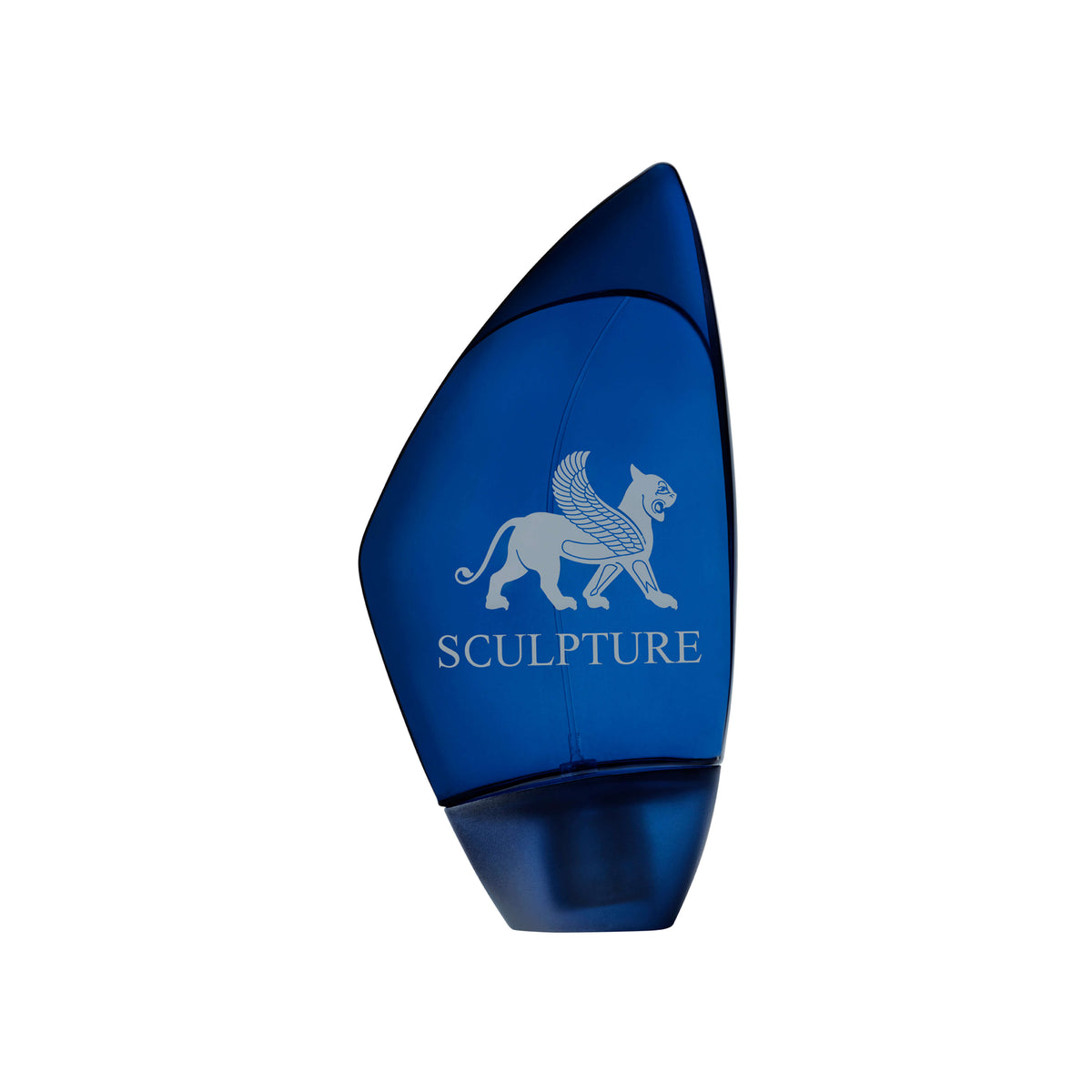
At Sculpture Perfumes, this philosophy lies at the heart of every creation. Helios Royal balances radiant citrus notes with the softness of rice and white tea. Aegean Caviar moves between marine clarity and ambery depth. Mykonos Chocolate contrasts indulgent gourmand notes with airy fruits and florals. Like the sculptors and architects of Antiquity, perfumers seek equilibrium rather than excess.
The enduring appeal of Greek beauty may ultimately rest in this timeless lesson: harmony is not simplicity, but the perfect relationship between complexity and restraint.