
The queen of flowers and its hundreds of facets
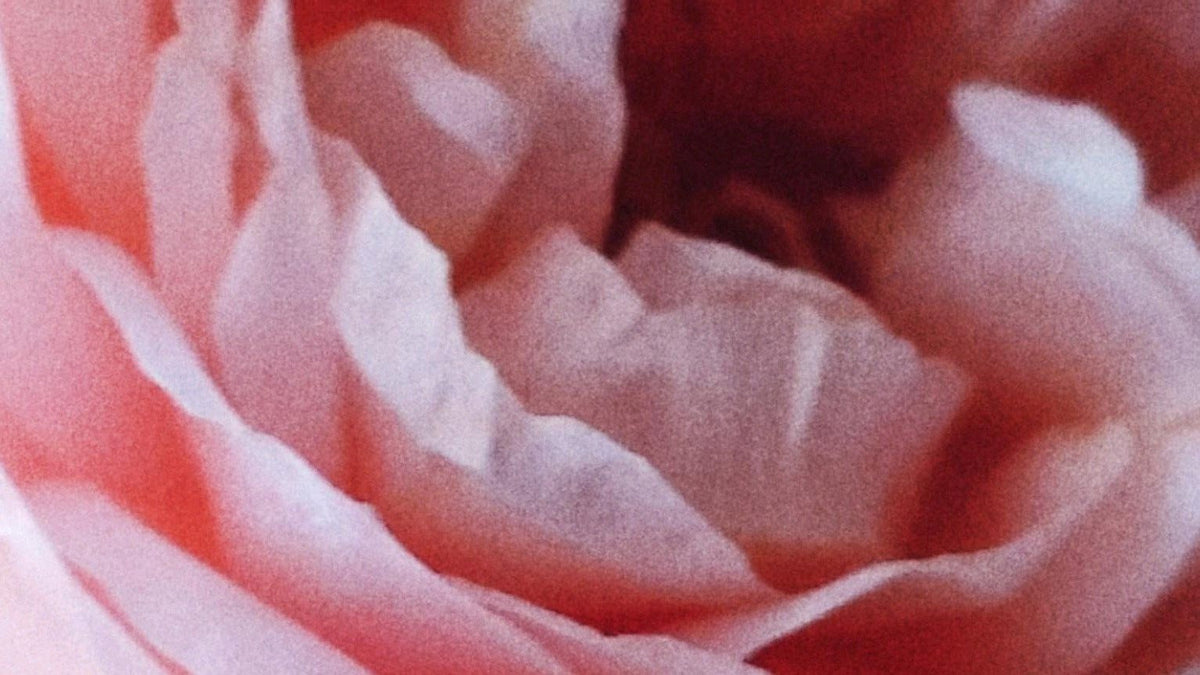
No flower has shaped the history of perfumery more profoundly than the rose. Revered across civilizations for thousands of years, it remains one of the most widely used and endlessly versatile ingredients in fragrance creation.
The enduring appeal of rose lies in its complexity. Contrary to popular belief, its scent cannot be reduced to a simple floral note. Depending on the variety, extraction method and surrounding ingredients, rose can reveal fresh, fruity, spicy, green, honeyed or even slightly woody facets.
This remarkable versatility explains why rose appears in virtually every fragrance family. It can enhance a luminous floral perfume, introduce elegance to a woody perfume, soften an oriental perfume or add sophistication to a modern gourmand composition.
For perfumers, rose functions much like a prism. It reflects and amplifies the ingredients surrounding it while retaining its own identity. When paired with citrus notes, it becomes bright and airy. Alongside spices, it reveals sensual depth. Combined with patchouli or woods, it acquires remarkable richness and structure.
The flower also occupies a unique symbolic position. Throughout history, it has represented beauty, passion, refinement and emotional expression. Yet contemporary perfumery increasingly explores its less conventional dimensions, moving beyond traditional floral interpretations.
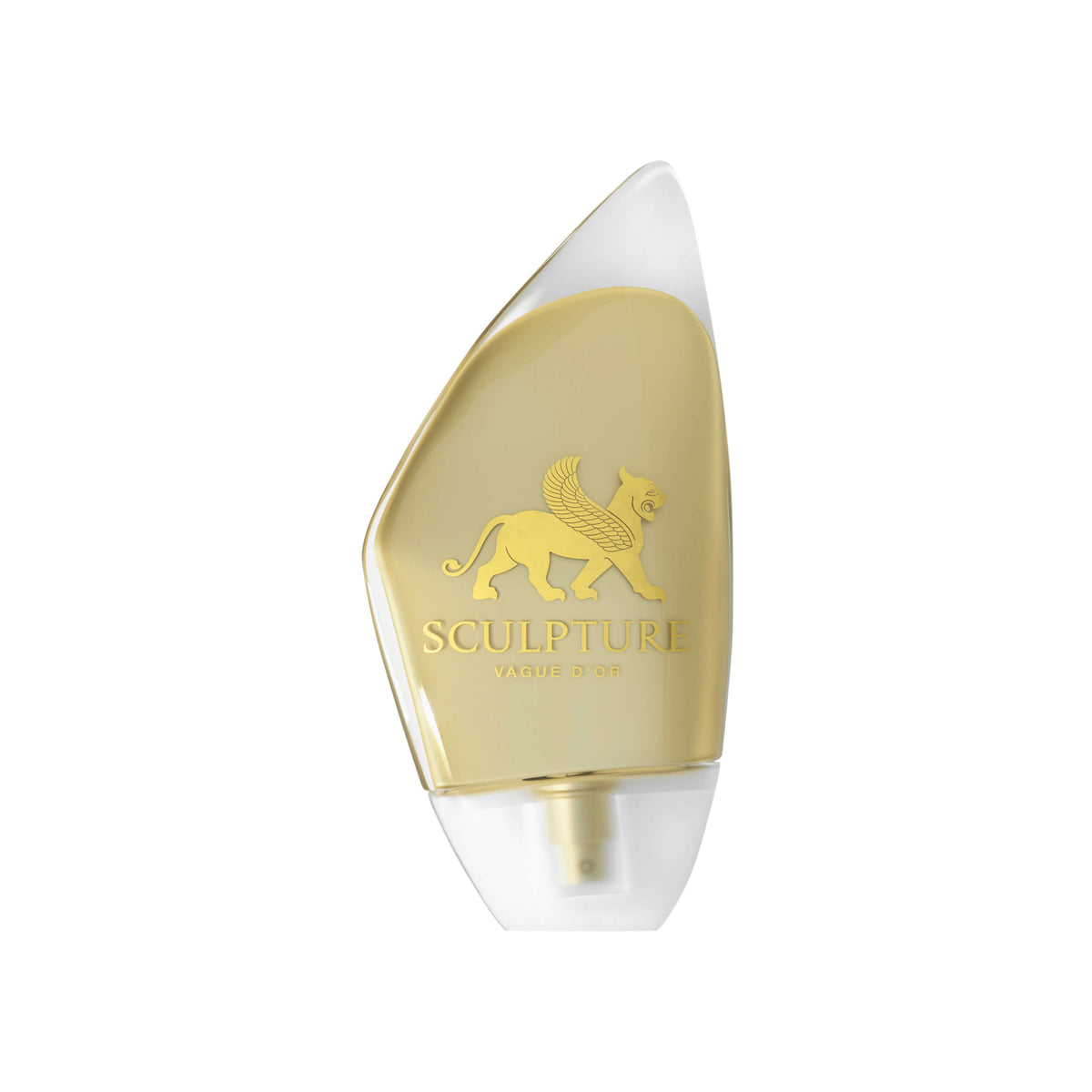
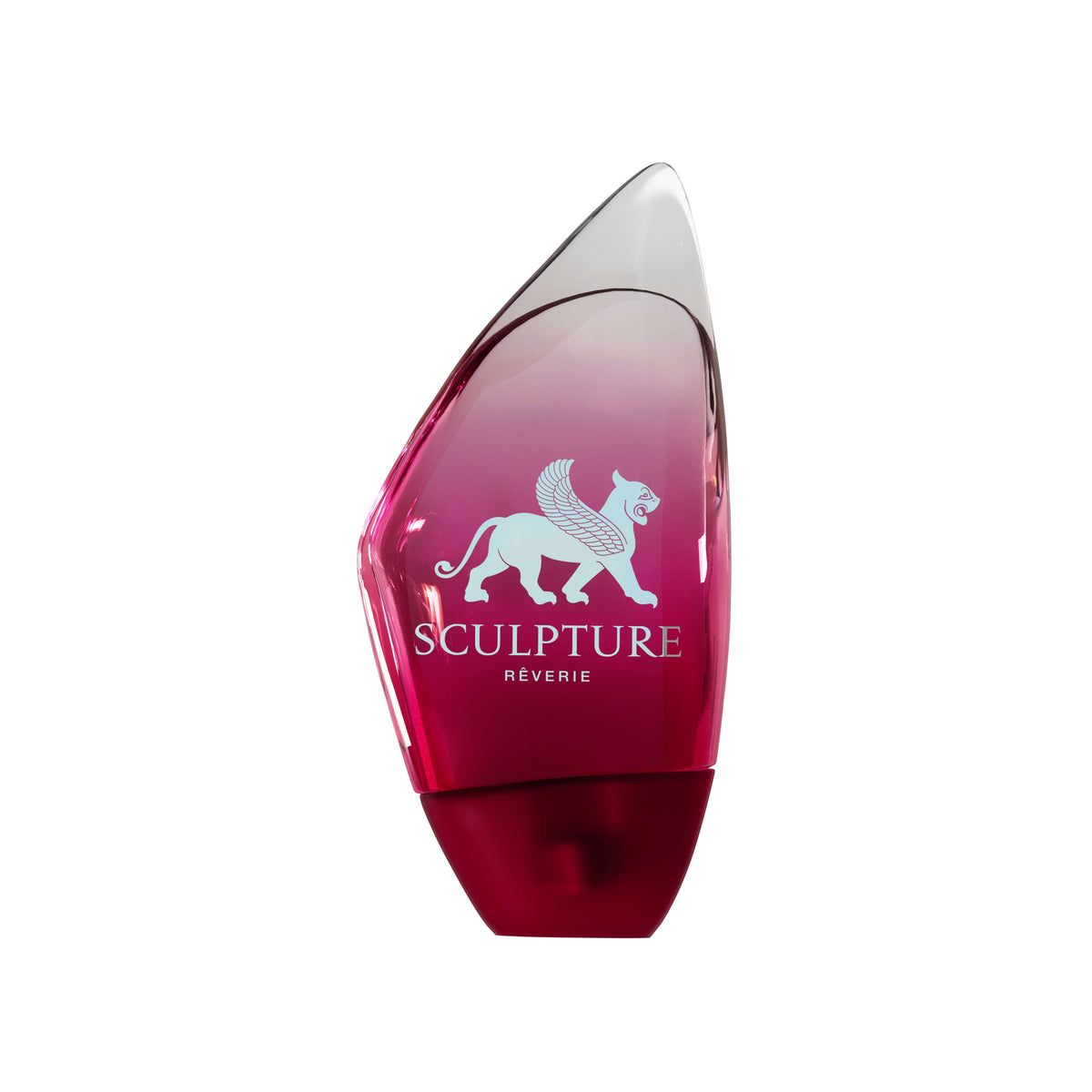
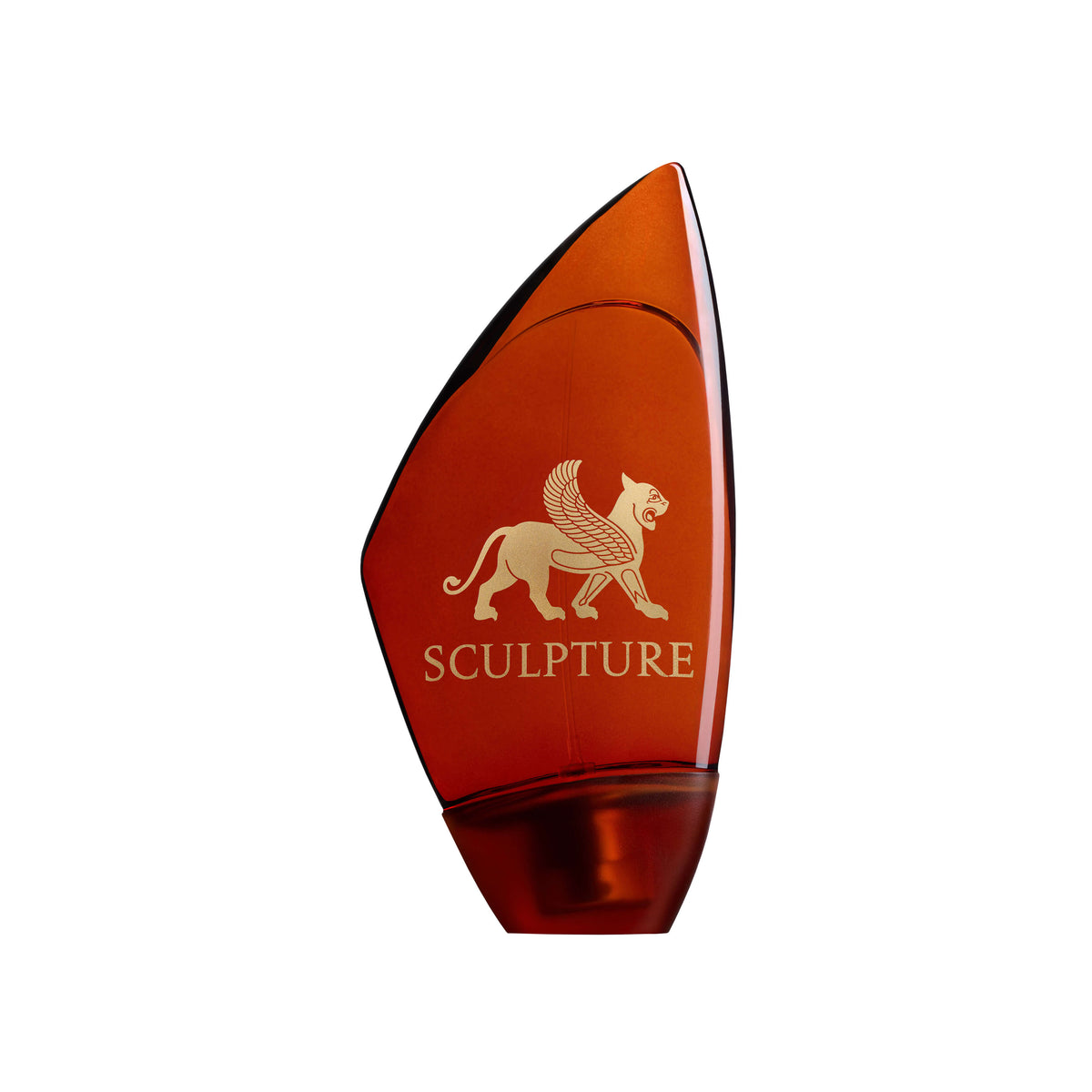
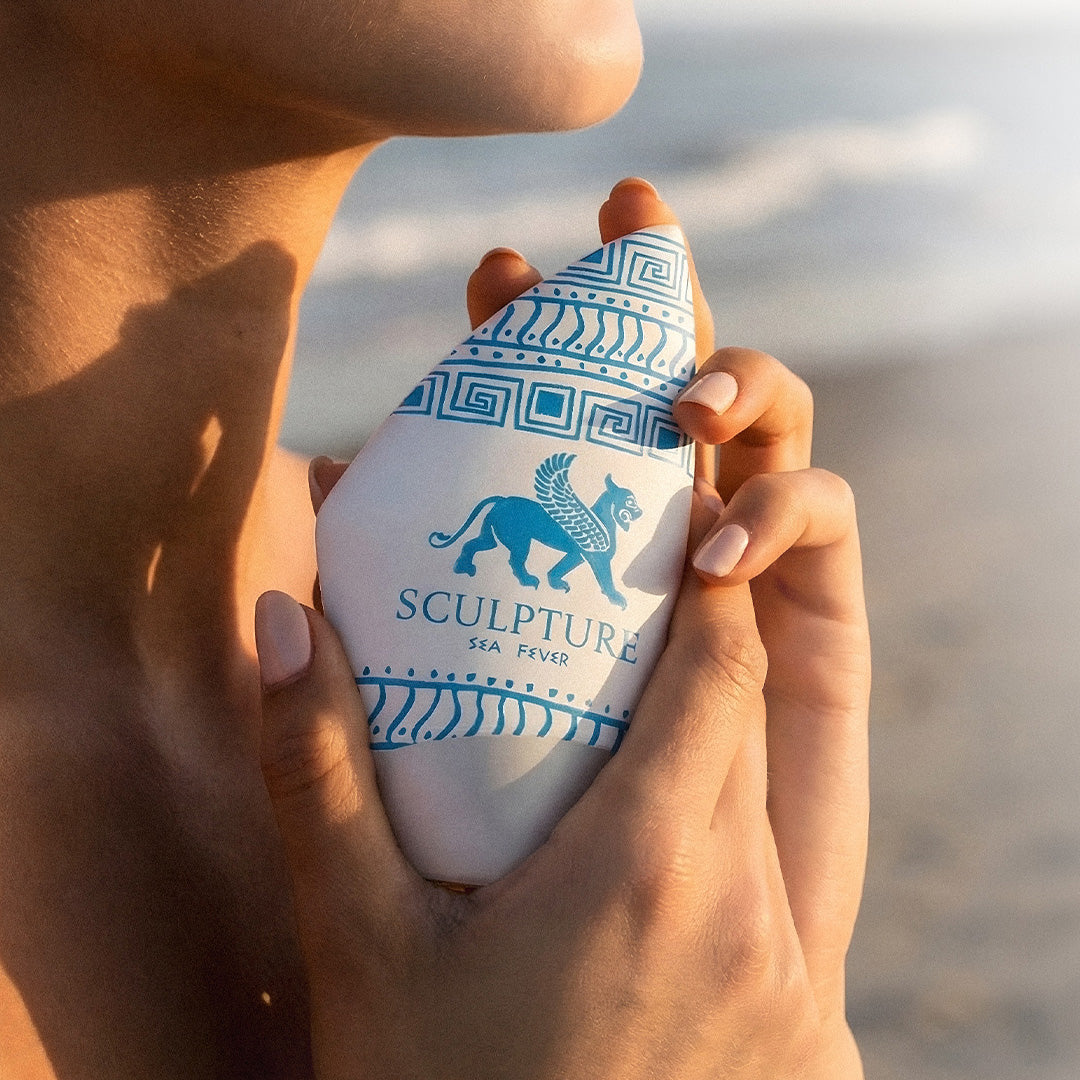
Several Sculpture Perfumes fragrances showcase these different facets. Rose appears in the Classique and the Parfum, where it contributes timeless elegance. In Rêverie, it interacts with saffron, cacao and vanilla to create romantic depth. In Vague d'Or, it becomes part of a radiant composition built around almond, cherry and soft gourmand notes.
Known as the Queen of Flowers, rose continues to inspire because it constantly reinvents itself. Familiar yet endlessly surprising, it remains one of perfumery's most expressive and timeless materials.