
Why the Ancient Greeks used to burn aromatics
Long before perfume became something worn on the skin, fragrance rose towards the heavens in the form of scented smoke. Across Ancient Greece, aromatic plants, resins and woods were burned during religious ceremonies, public celebrations and private rituals. Fragrance was considered a gift worthy of the gods, capable of purifying both places and people.
Temples dedicated to Apollo, Athena or Zeus were often filled with aromatic vapours produced by precious materials imported from across the Mediterranean. Myrrh, frankincense and resins arrived through maritime trade routes, while native plants such as laurel, basil and rosemary were cultivated throughout Greece. Their scent transformed ordinary spaces into sacred environments.
Many ingredients associated today with a sophisticated fresh perfume were already deeply rooted in Greek culture. Aromatic herbs released their fragrance under the Mediterranean sun, while citrus fruits gradually became symbols of vitality and abundance. The brightness and energy we now associate with a modern citrus perfume originate from this centuries-old relationship between fragrance and the natural world.
The Mediterranean landscape itself remains a source of inspiration for contemporary perfumery. Basil, bergamot, lemon and aromatic greens contribute to the character of many elegant summer perfume creations, evoking sunlight, sea breeze and open-air living. These notes do more than smell pleasant: they recreate an atmosphere.
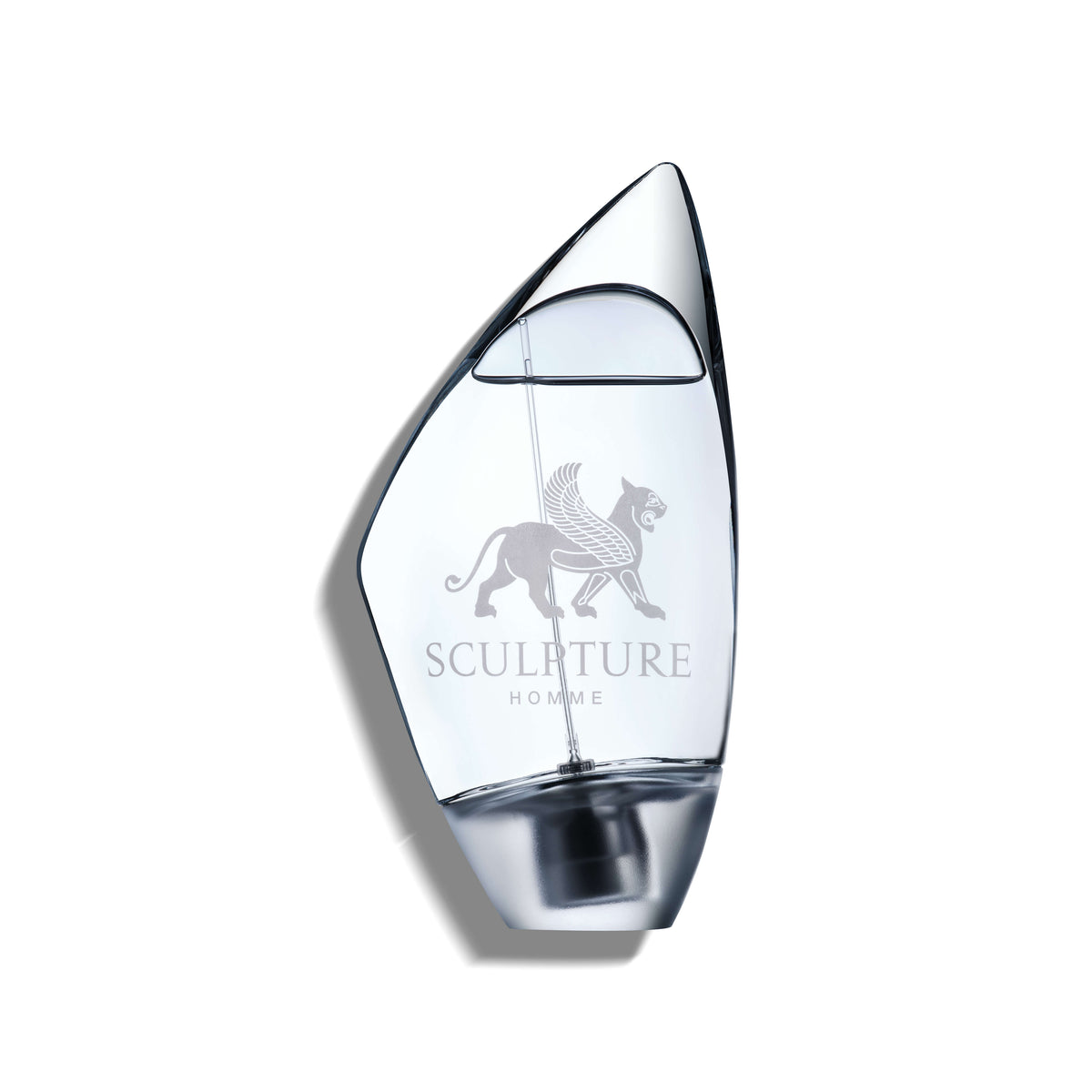
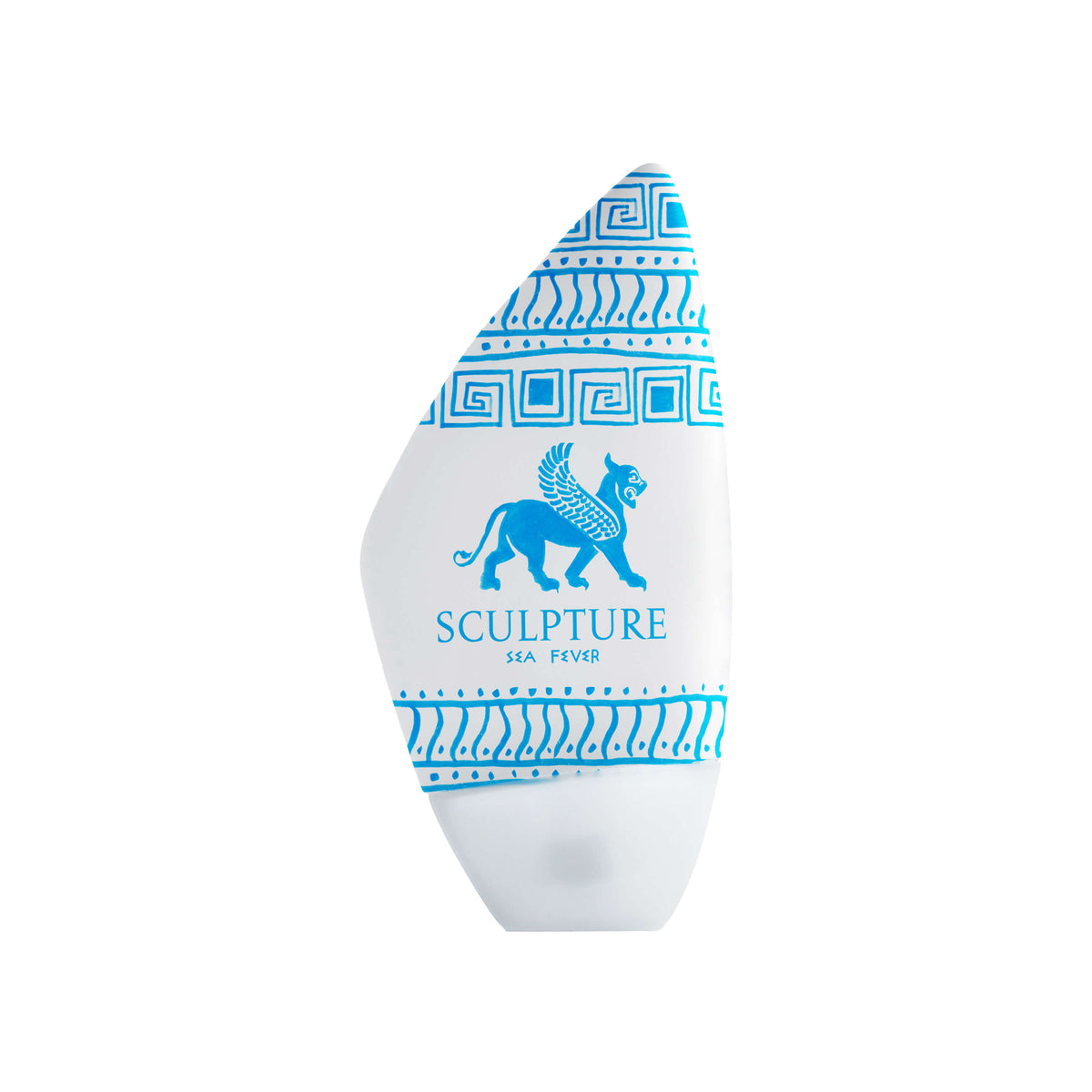
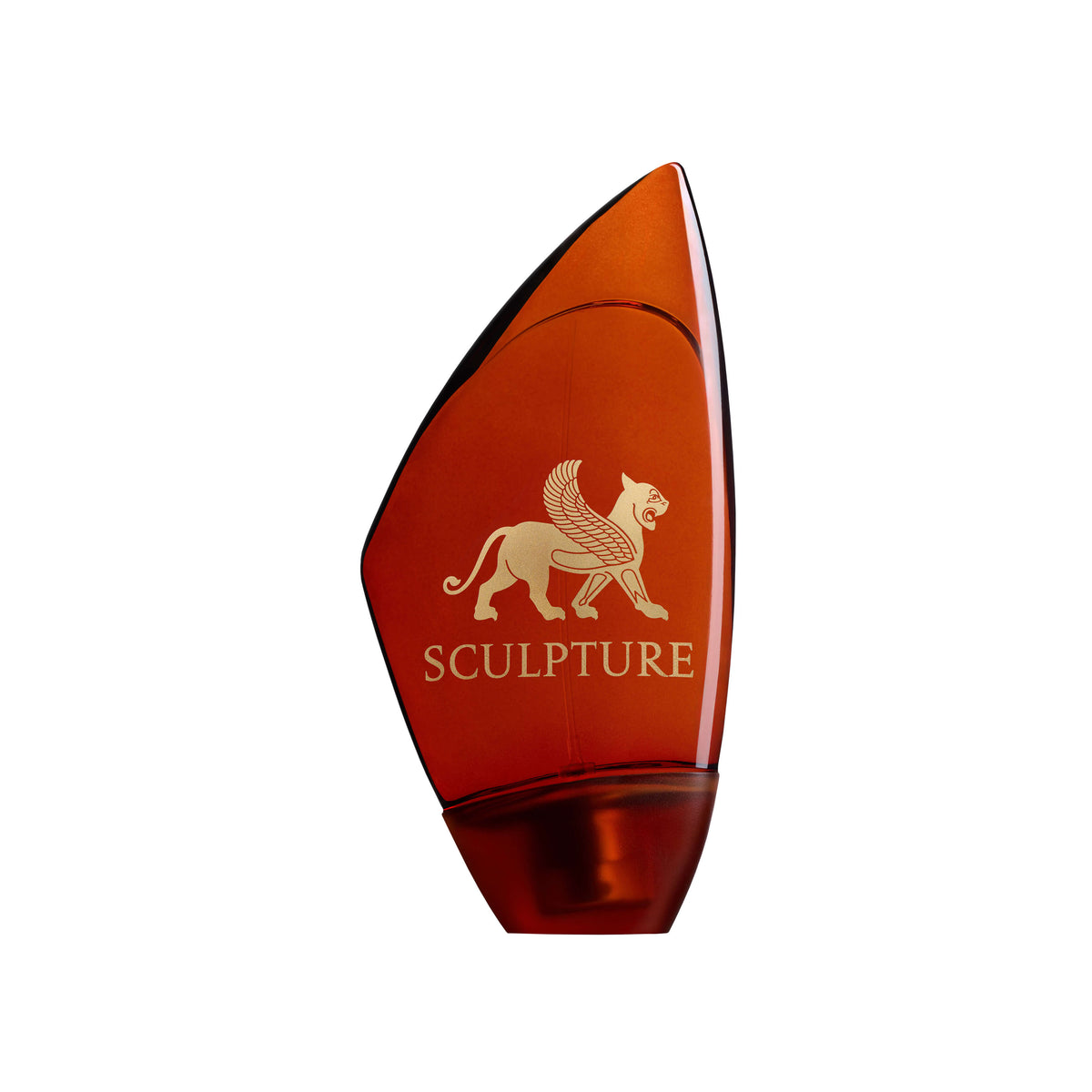
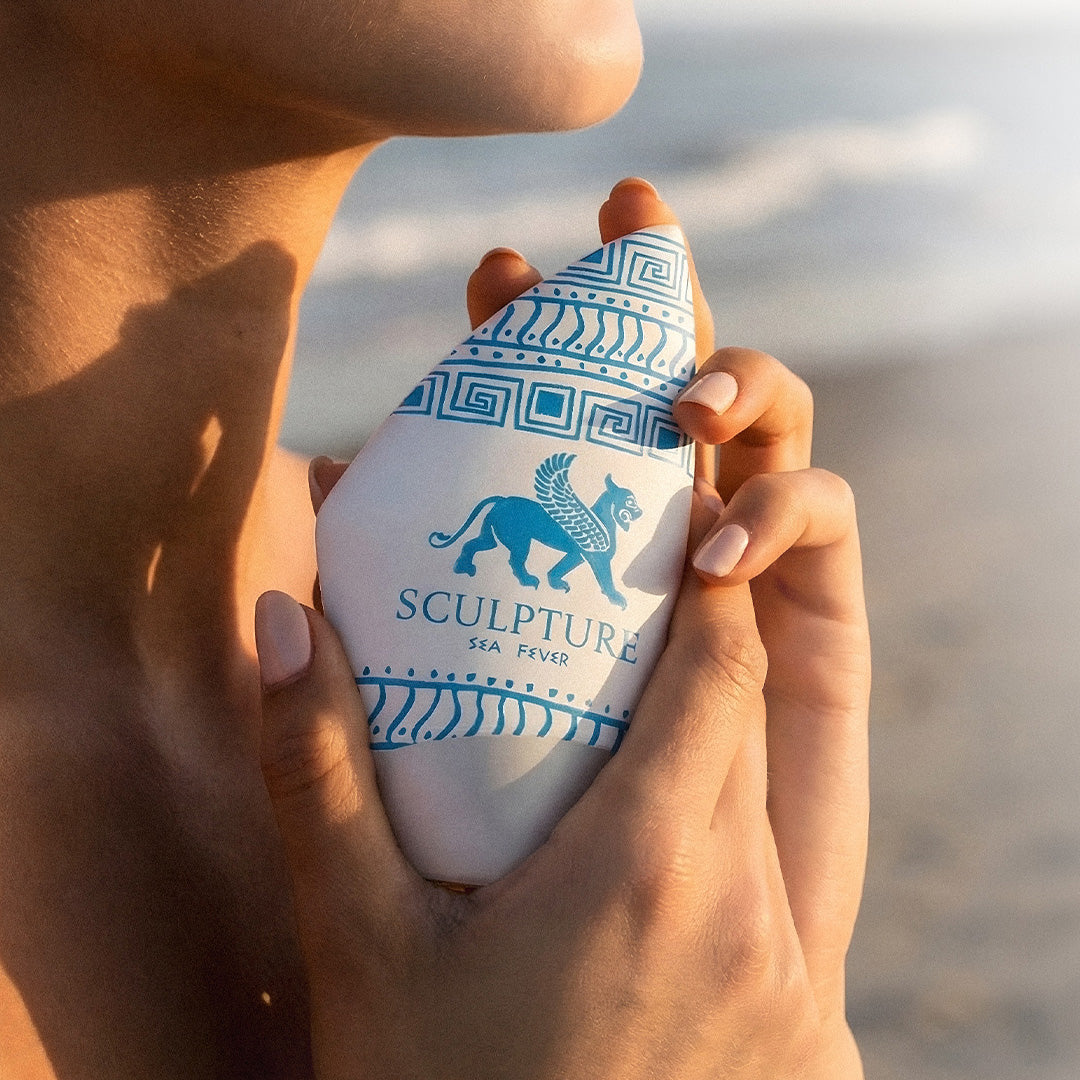
Several Sculpture Perfumes fragrances echo this heritage. Mykonos combines bergamot, lime and aromatic herbs to capture the freshness of the Cyclades, while Sea Fever explores basil, laurel leaves and marine nuances. Together, they reinterpret the scents that have shaped Mediterranean life for thousands of years.
Although the rituals have evolved, fragrance continues to serve the same purpose it did in Antiquity: creating connection, emotion and a sense of presence beyond the visible world.